Ka palupalu o Kanaloa (Kanaloa kahoolawensis)
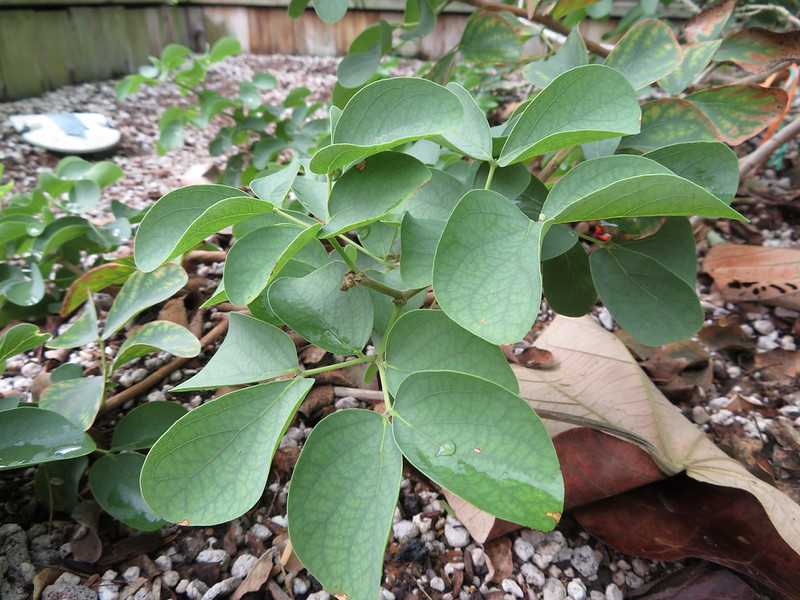
Photo courtesy of MNBG
Hawaiian Name: ‘A‘ali‘i
Scientific Name: Dodonaea viscosa
Family: Sapindaceae (Soapberry Family)
Status: Indigenous
Where found: Maui, Moloka‘i, Lāna‘i, Hawai‘i, O‘ahu & Kaua‘i (HI)
Water/Light: Dry, with full to part sun exposure
Elevation range: 10 to 7,710 feet
Height: Up to 30 feet, with a spread of up to 15 feet
‘Ōlelo Noeau: [M. K. PUKUI]: He ‘a‘ali‘i ku makani mai au; ‘a‘ohe makani nana e kula‘i.
Translation: I am a wind-resting ‘a‘ali‘i; no gale can push me over.
Meaning: A boast saying, "I can hold my own, even in the face of difficulties." The ‘a‘ali‘i can stand the worst of gales, twisting and bending but seldom breaking off or falling over.
Kanaka maoli (native Hawaiians) used the durable wood in past times to make house posts, canoes and spears. The fruits can be boiled to make a pink kapa dye, and the flowers which come in a variety of whites, greens, pinks, and dark reddish purple are used to make beautiful lei. In Hawaiian lāʻau lapaʻau (Hawaiian medicine), ‘a‘ali‘i leaves were mixed with other plants in a remedy to treat skin rashes. On every island, in every climate zone or elevation zone the plants will look different in some slight way from each other.
Other names for this plant include: ʻaʻaliʻi kū makani, ʻaʻaliʻi kū ma kua or kumakani. The ʻŌlelo Noʻeau (Hawaiian proverb), "He ‘a‘ali‘i kū makani mai au; ‘a‘ohe makani nāna e kula‘i" means, "I am a wind-resisting ‘a‘ali‘i; no gale can push me over," and speaks of a strong person who can hold their own in times of difficulty, like the ‘a‘ali‘i; which is able to withstand the worst of gales, twisting and bending, but seldom breaks off or falls over.
When growing ʻaʻaliʻi, it is best to prune small and dead branches rather than large living ones, as ʻaʻaliʻi does not compartmentalize wounds quickly when major branches are cut. This native is drought, salt and wind resistant, and highly adaptable.
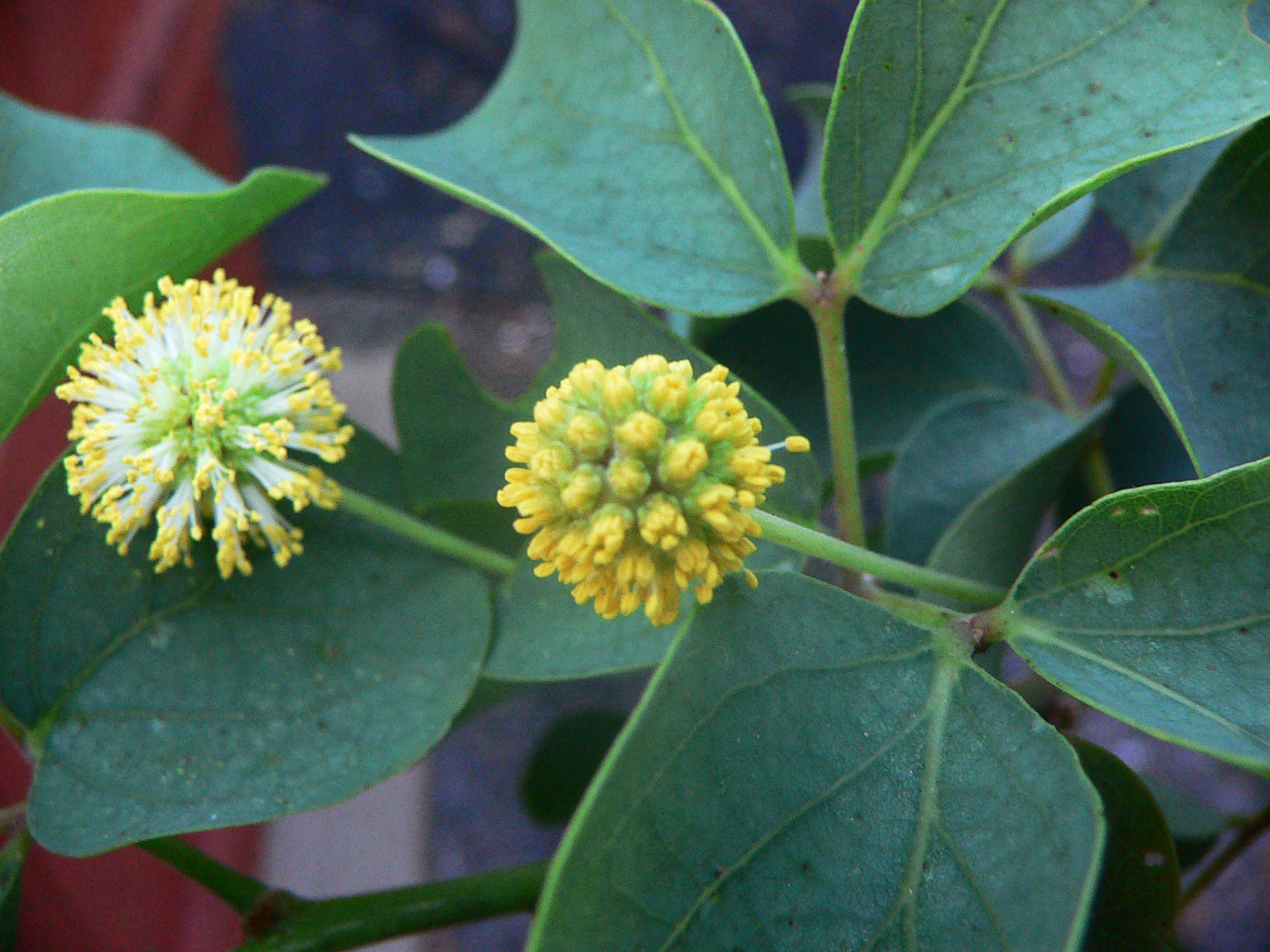
Photo credit: MNBG
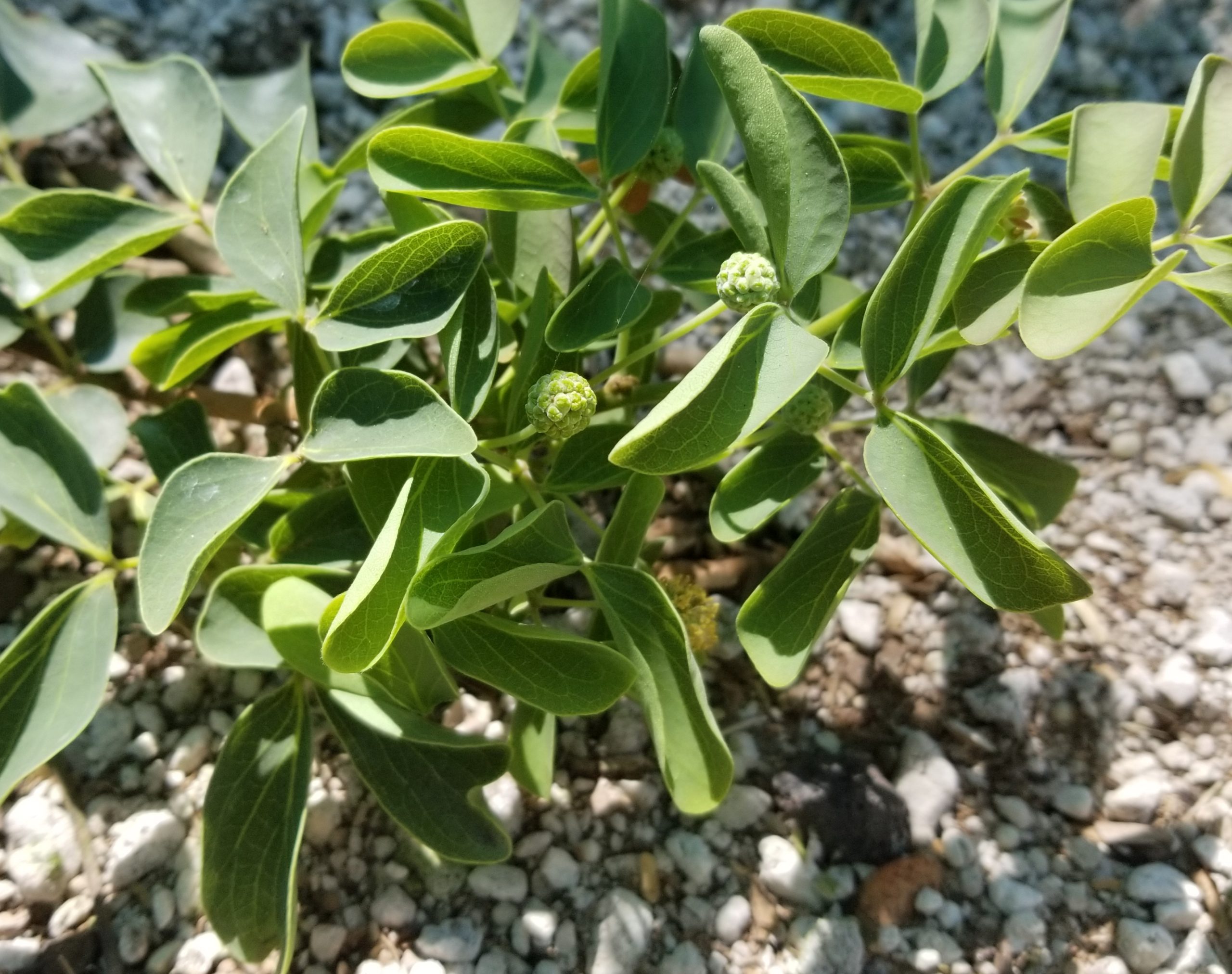
Photo credit: Linda
Location
The Garden is located at 150 Kanaloa Avenue in Kahului, Maui, right across from the War Memorial Stadium.
(808) 249-2798
Hours of Operation
Tuesday through Saturday,
8:00 a.m. – 4:00 p.m.
Closed occasionally for inclement weather and Hawaii State Holidays.
Admission
Members: Free
General: $10
Keiki Under 12: Free
Kama'aina: Free
(with Hawai'i ID)
