Home » Hawaiian Native Plant Collection » Koki‘o ‘ula (Hibiscus clayi)
Koki‘o ‘ula (Hibiscus clayi)
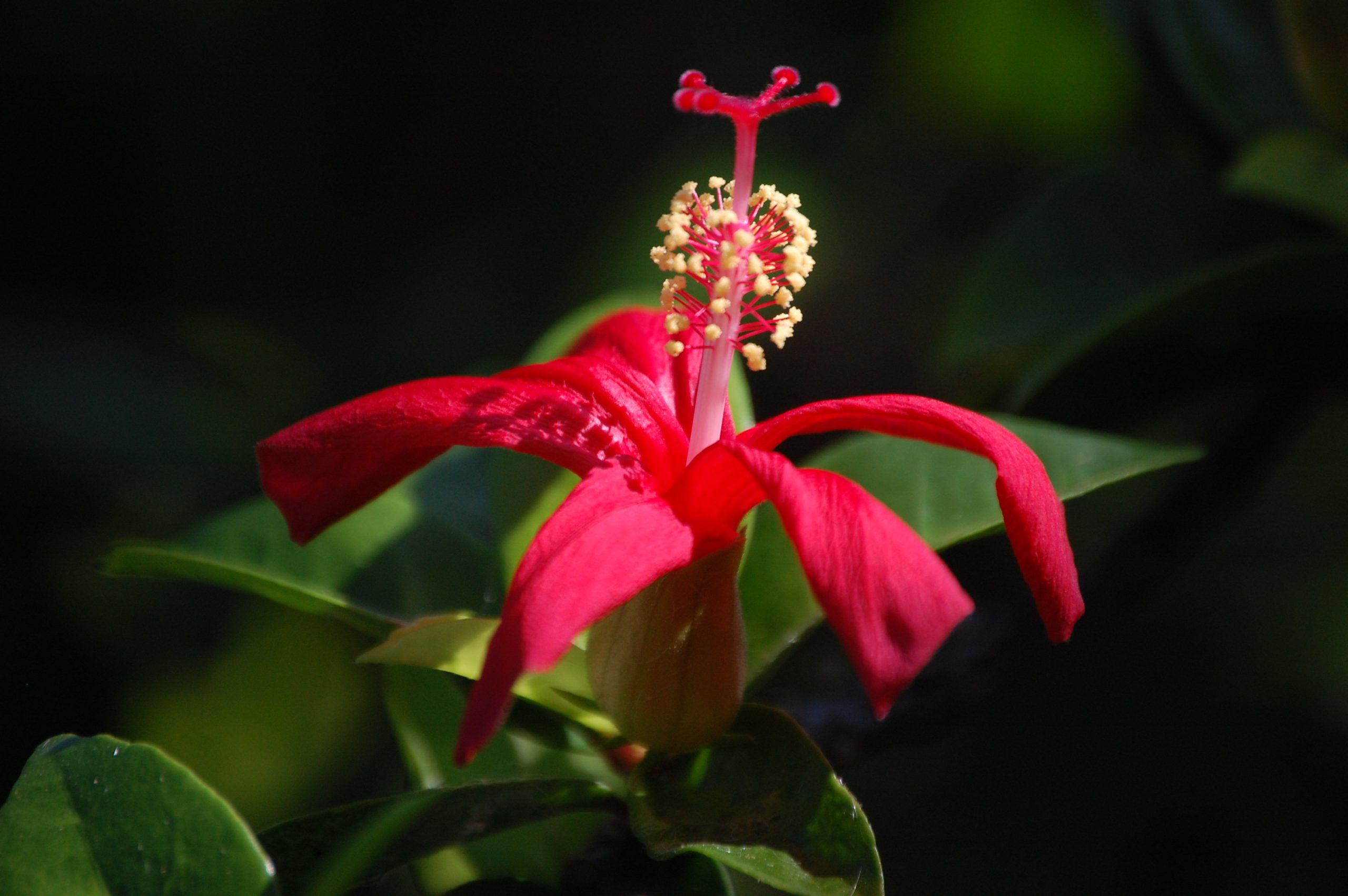
Photo courtesy of MNBG
Hawaiian name: Koki‘o ‘ula
Botanical name: Hibiscus clayi
Family: Malvaceae (Mallow Family)
Status: Endemic, Endangered
Where found: Kaua‘i eastern K (Nounou Mountain; Hali`I Valley; Anahola Mts)
Water/Light: Dry to moist, with full sun or part shade exposure
Elevation range: 30 to 2,510 feet
Height: Up to 25 feet, with a 5 foot spread
Koki‘o ‘ula is native to eastern Kaua‘i and has thin petaled, bright to deep red flowers, with shiny green leaves. It is seriously threatened by fire, weeds, and introduced, grazing ungulates in its mid-elevation, dry to mesic forest habitat. It is classed in the U.S. as endangered and as critically endangered by the IUCN, an international body. A review in 2022 showed that there were about 111 wild individuals remaining. The flowers are very small compared to other Hibiscus, making them sought after for lei making. This koki‘o ‘ula also grows very compact and narrow compared to other Hibiscus, and is an excellent choice for use in landscapes with limited space. This species of koki‘o ‘ula can grow at low elevations in dry areas unlike some other native Hawaiian Hibiscus, but would still need supplemental watering in our hottest and driest neighborhoods. Because Hibiscus readily hybridizes, this species is propagated by cuttings and not by seed.
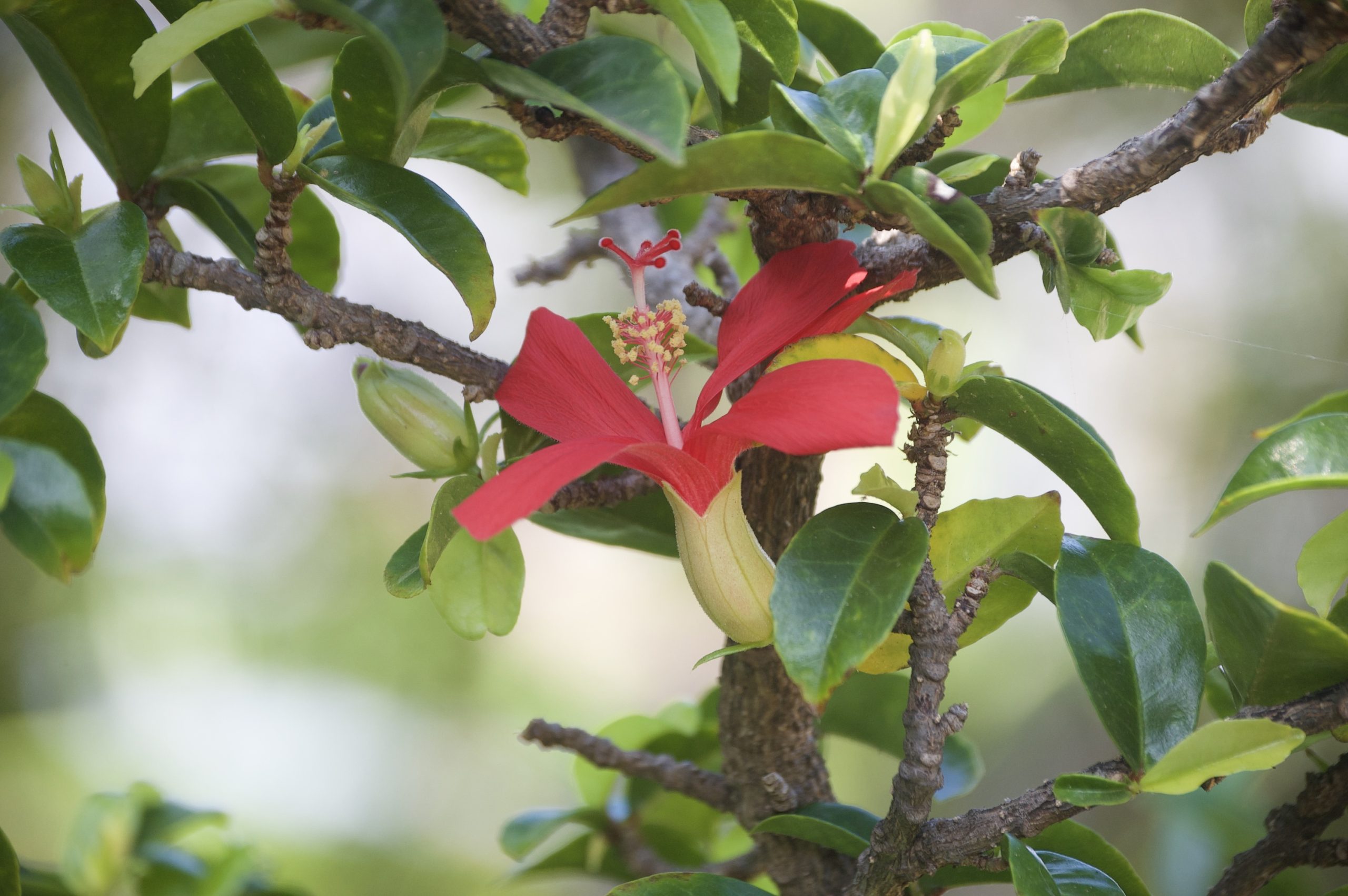
Photo credit: MNBG
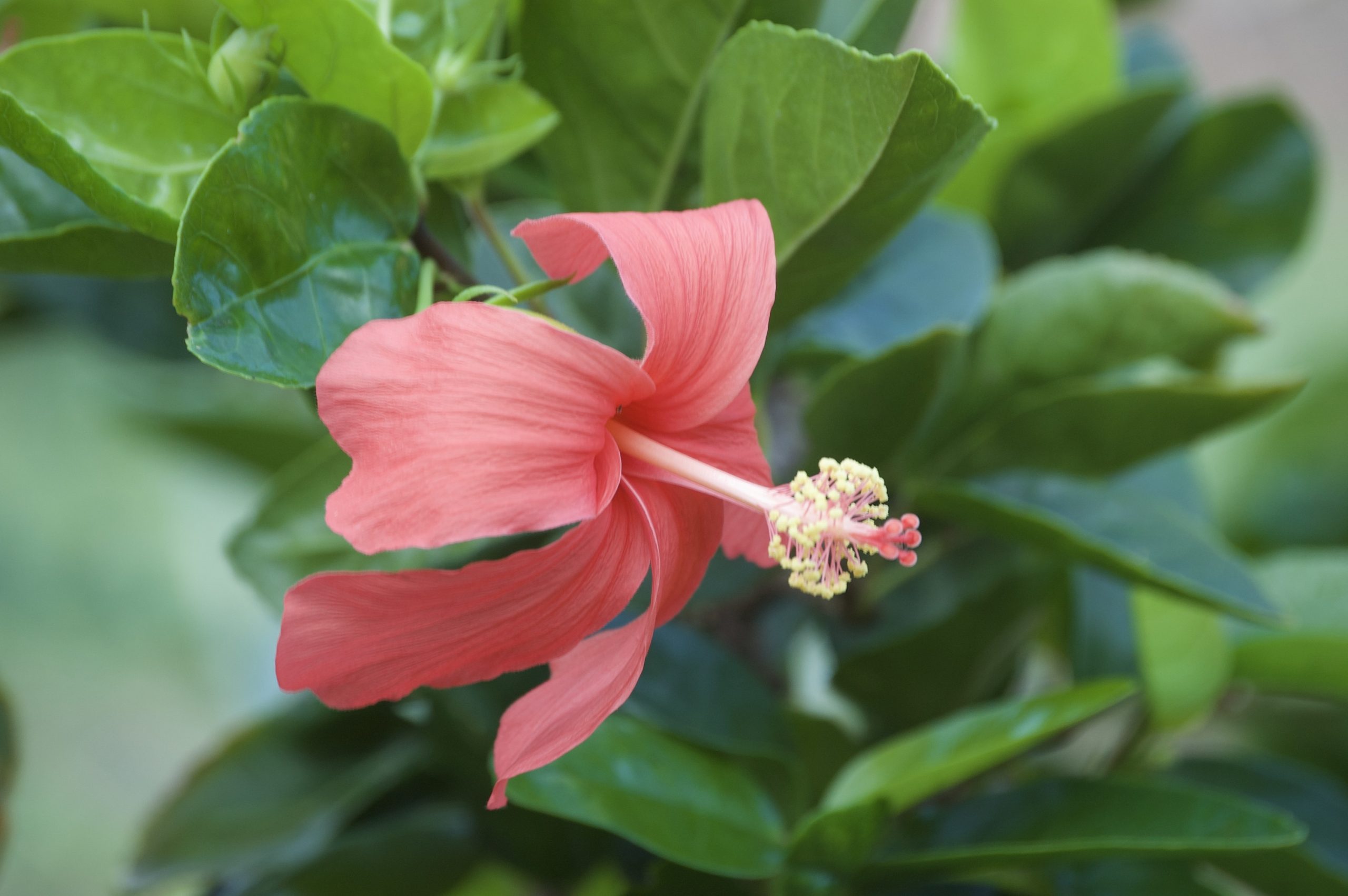
Photo credit: MNBG
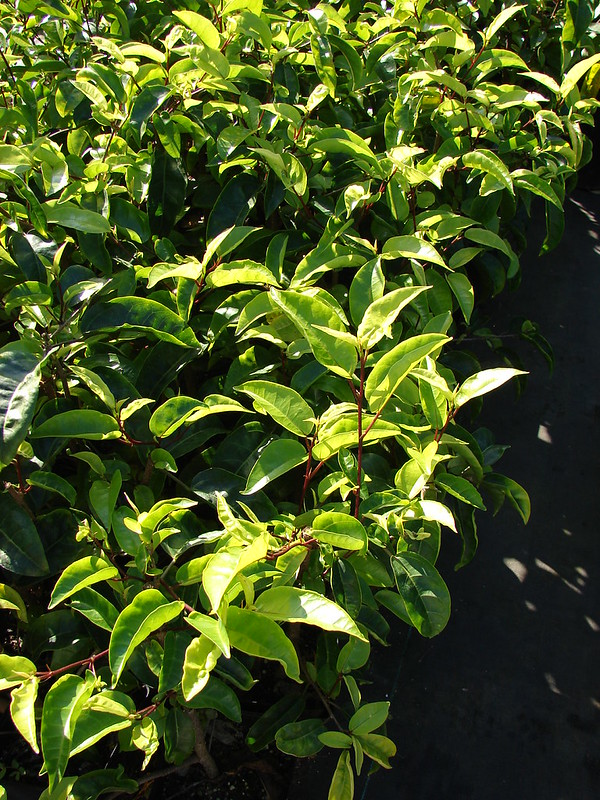
Photo credit:
Location
The Garden is located at 150 Kanaloa Avenue in Kahului, Maui, right across from the War Memorial Stadium.
(808) 249-2798
Hours of Operation
Tuesday through Saturday,
8:00 a.m. – 4:00 p.m.
Closed occasionally for inclement weather and Hawaii State Holidays.
Admission
Members: Free
General: $10
Keiki Under 12: Free
Kama'aina: Free
(with Hawai'i ID)
Plants from the MNBG Collection:
-
- ‘A‘ali‘i (Dodonaea viscosa)
- ‘Āhinahina (Achyranthes splendens var. splendens)
- ‘Āhinahina (Artemisia mauiensis)
- ‘Ākala (Rubus hawaiensis)
- ‘Ākia (Wikstroemia uva-ursi var. uva-ursi)
- ‘Akoko (Euphorbia degeneri)
- Alahe'e (Psydrax odorata)
- ‘Ānapanapa (Colubrina asiatica)
- ‘Awa (Piper methysticum)
- Delissea rhytidosperma
- Hāhā (haha) (Cyanea magnicalyx)
- Hala (Pandanus tectorius)
- Hala pepe (Dracaena auwahiensis)
- Hau (Hibiscus tileaceus)
- Hau hele wai (‘Akiohala) (Hibiscus furcellatus)
- Hao (Rauvolfia sandwicensis)
- Hō‘awa (Pittosporum glabrum)
- Hōʻawa (Pittosporum halophilum)
- Hō‘awa (Pittosporum hosmeri)
- ‘Iliahi (Santalum haleakalae)
- ‘Iliahialo‘e (Santalum ellipticum)
- ʻIlima papa (Sida fallax)
- Kalo, (Colocasia esculenta)
- Kamani (Callophyllum inophyllum)
- Ka palupalu o Kanaloa (Kanaloa kahoolawensis)
- Kauila (Colubrina oppositifolia)
- Kauila (O‘a) (Alphitonia ponderosa)
- Keahi (Sideroxylon polynesicum)
- Kī (Cordyline fruticosa)
- Koa (Acacia koa)
- Koai‘a (Acacia koaia)
- Koki‘o, Hau hele ‘ula (Kokia drynarioides)
- Koki‘o ke‘o ke‘o (Hibiscus arnottianus)
- Koki‘o ke‘oke‘o (Hibiscus arnottianus subsp. immaculatus)
- Koki‘o ke‘oke‘o (Hibiscus waimeae subsp. hannerae)
- Koki‘o ‘ula (Hibiscus clayi)
- Koki‘o ‘ula‘ula (Hibiscus kokio ssp. kokio)
- Koki‘o ‘ula‘ula (Hibiscus kokio ssp. saintjohnnianus)
- Koki‘o ke‘o ke‘o (Hibiscus waimeae ssp. waimeae)
- Kolomona (Senna gaudichaudii)
- Kou (Cordia subcordata)
- Kukui (Aleurites moluccana)
- Loulu lelo (Pritchardia hillebrandii)
- Loulu (Pritchardia remota)
- Maʻo (Gossypium tomentosum)
- Ma‘o hau hele (Hibiscus brackenridgei)
- Māmaki (Pipturus albidus)
- Mau‘u lā‘ili (Sisyrinchium acre)
- Mehame, Hame (Antidesma platyphyllum var. platyphyllum)
- Milo (Thespesia populnea)
- Naio (Myoporum sandwicense)
- Nānū (Gardenia brighamii)
- Ōhai (Sesbania tomentosa)
- ʻŌhiʻa ʻai (Syzygium malaccense)
- ‘Ōhia lehua (Metrosideros polymorpha)
- Pōhinahina (Vitex rotundifolia)
- Pōkalakala (Polyscias racemosa)
- ‘Uala (Sweet Potato)
- ‘Uki ‘uki (Dianella sandwicensis)
- ʻUlu cv. ‘Maʻafala’(Artocarpus altilis)
- Wauke (Broussonetia papyrifera)
- Wiliwili (Erythrina sandwicensis)
