Home » Hawaiian Native Plant Collection » Koai‘a (Acacia koaia)
Koai‘a (Acacia koaia)
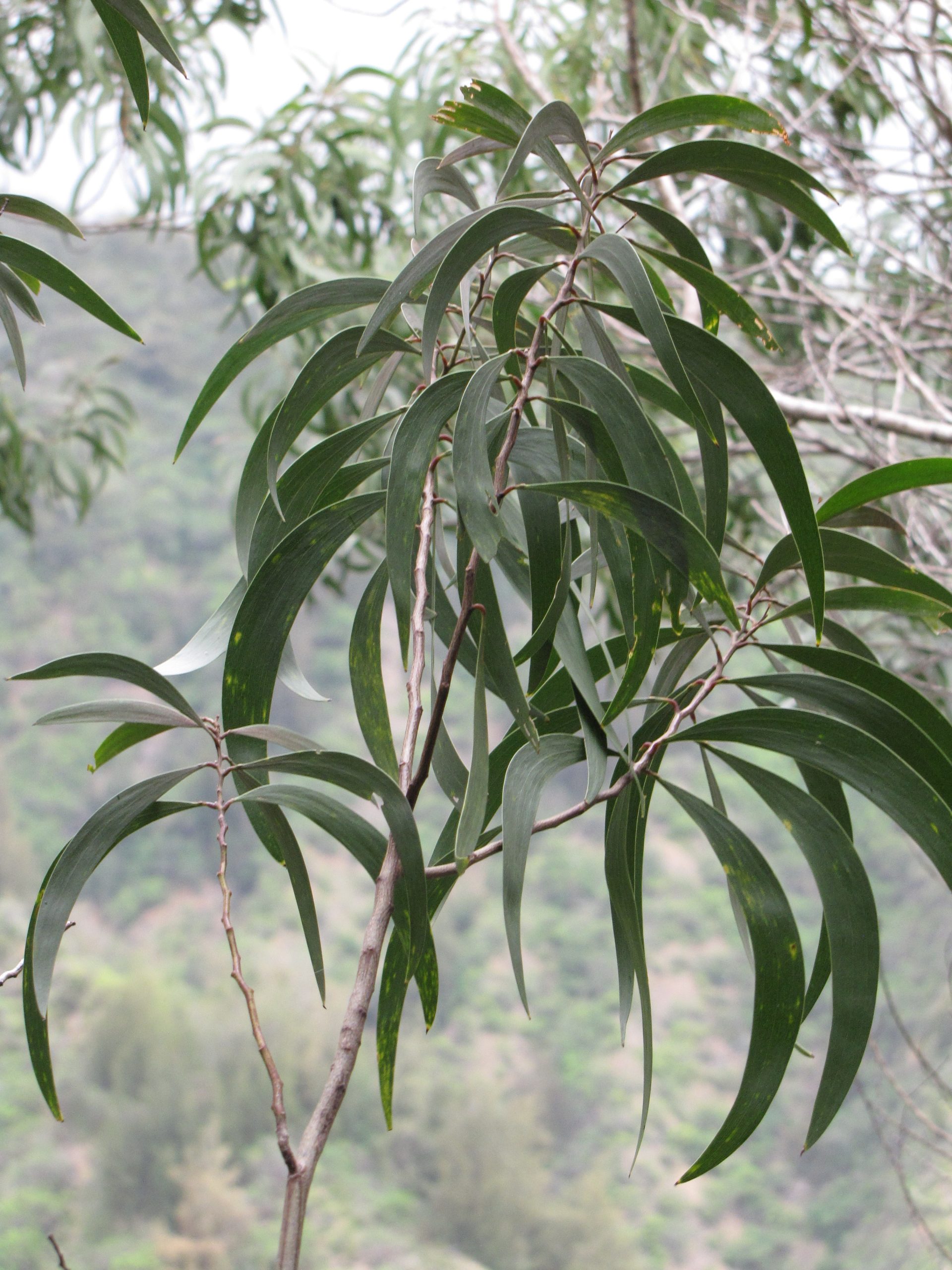
Photo courtesy of Forest and Kim Starr
Hawaiian name: Koai‘a (Koai‘e)
Botanical name: Acacia koaia
Family: Fabaceae (Pea Family)
Status: Endemic, Vulnerable
Where found: Maui, Moloka‘i, Lāna‘i, Hawai‘i, O‘ahu & Kaua‘i K/ O (Ko?)/ Mo/ L/ M/ H
Water/Light: Dry, with full sun
Elevation range: lower elevation and “drier and more open habitats” than A. koa
Height: 15 to 20 feet, with a 25 foot spread
Koa's relative, koai‘a, once grew in the lowlands of most Hawaiian Islands. Koai‘a can be a good choice for lowland landscapes over koa because of its smaller stature at maturity and natural resistance to pests. The dense reddish brown wood is harder than koa and was used by early Hawaiians to create short and long spears, fish lures, shark hooks and paddles. A yellow kapa dye can be made using the flowers. In lāʻau lapaʻau (Hawaiian medicine), the crushed leaves were mixed with other plants and used in a steam bath to treat skin disorders. Koai‘a is drought and wind tolerant and will not tolerate wet soils. “Both koaiʻa and koa have a symbiotic relationship with a nitrogen-fixing bacterium called Bradyrhizobium in their roots that helps the tree grow and fertilize the surrounding soil. These bacteria produce an ammonia-like fragrance that emerges from the soil surrounding the tree…In addition to their nitrogen-fixing abilities, the leaves, flowers, and branches of koaiʻa also provide essential nutrients for understory plants in the surrounding area. This makes them a vital component of the ecosystem, supporting the overall biodiversity. ” - Bruce P Koebele from Native Plants Hawaiʻi.
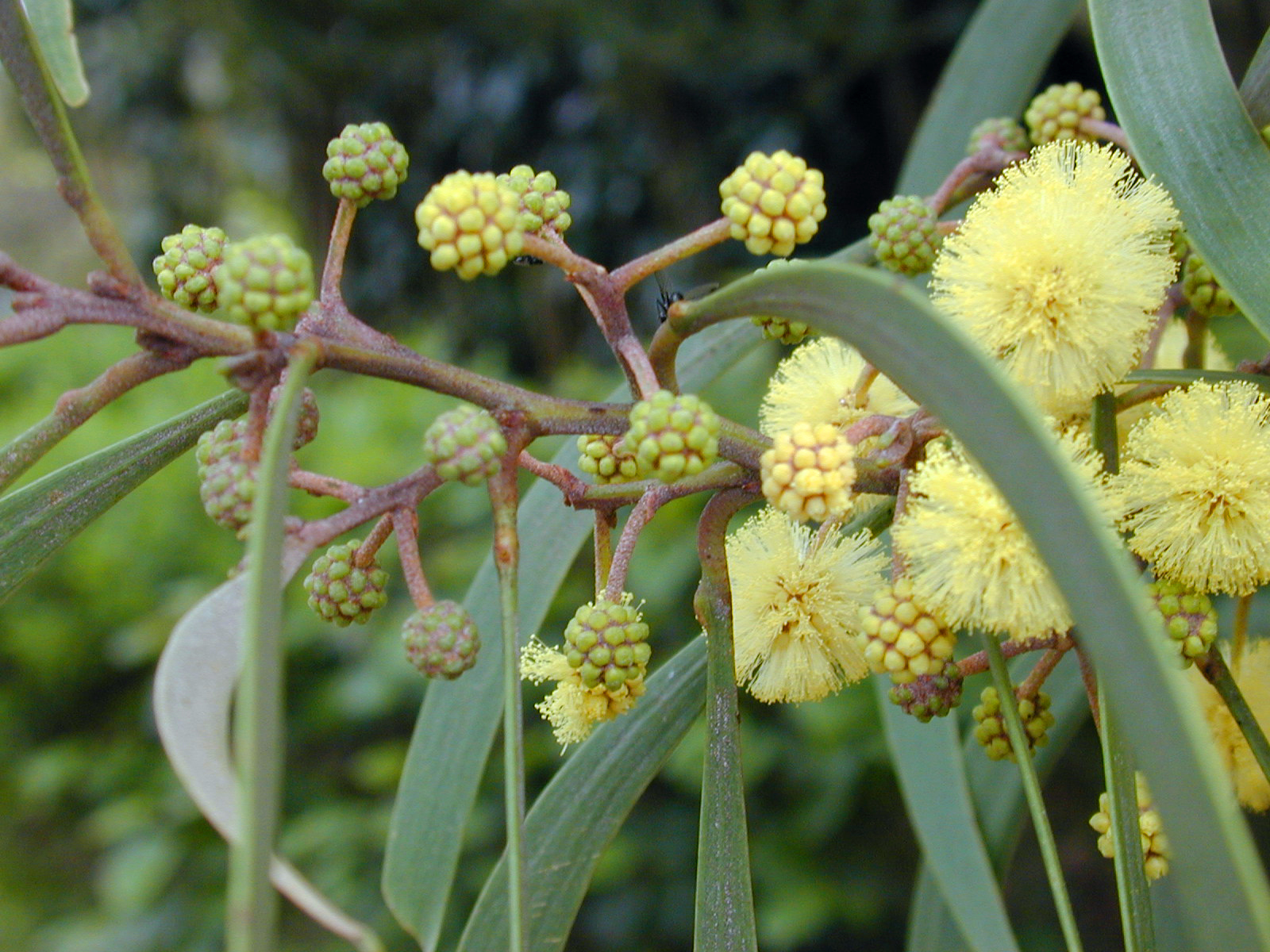
Photo credit: Forest and Kim Starr
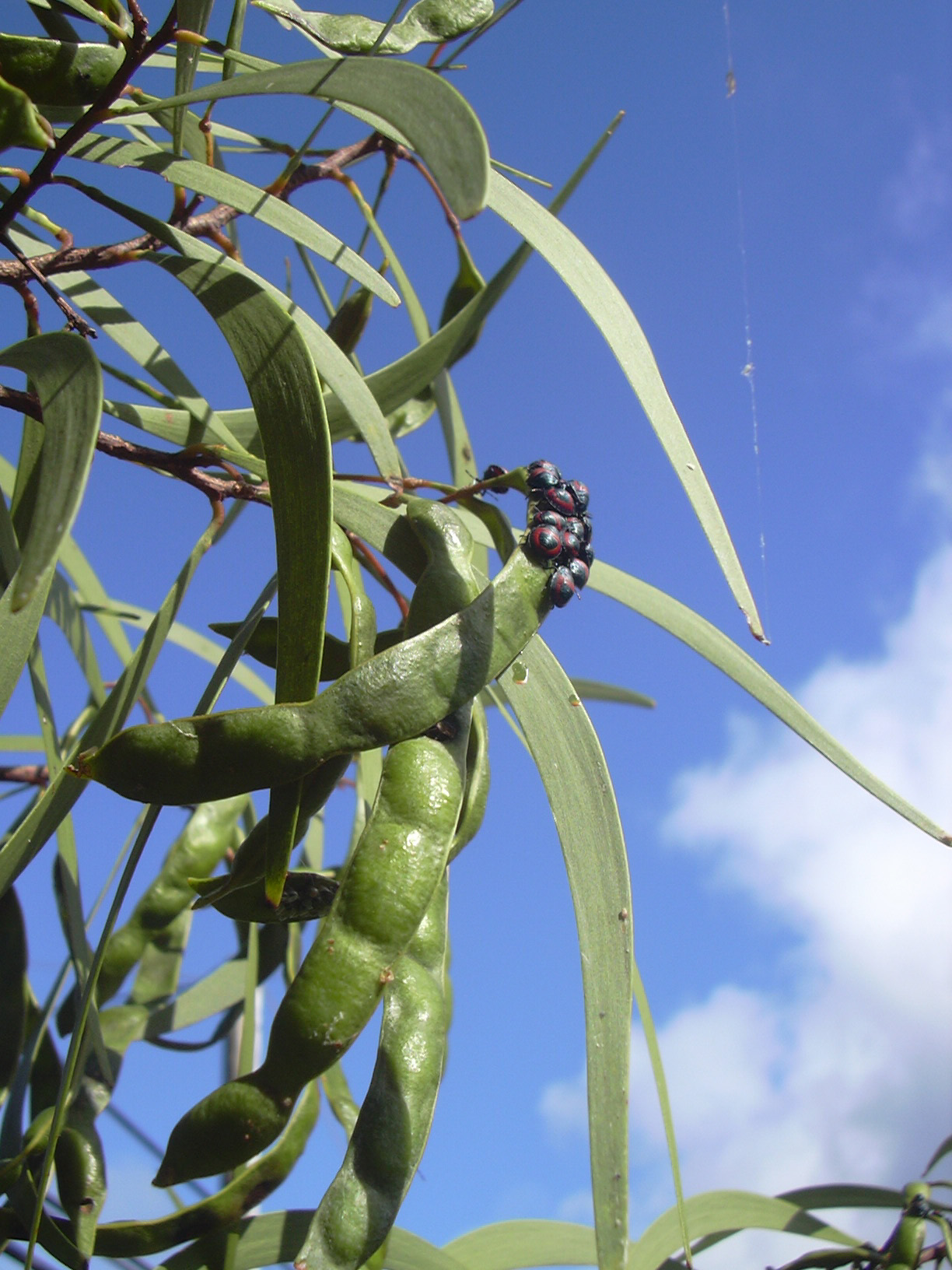
Photo credit: Forest and Kim Starr
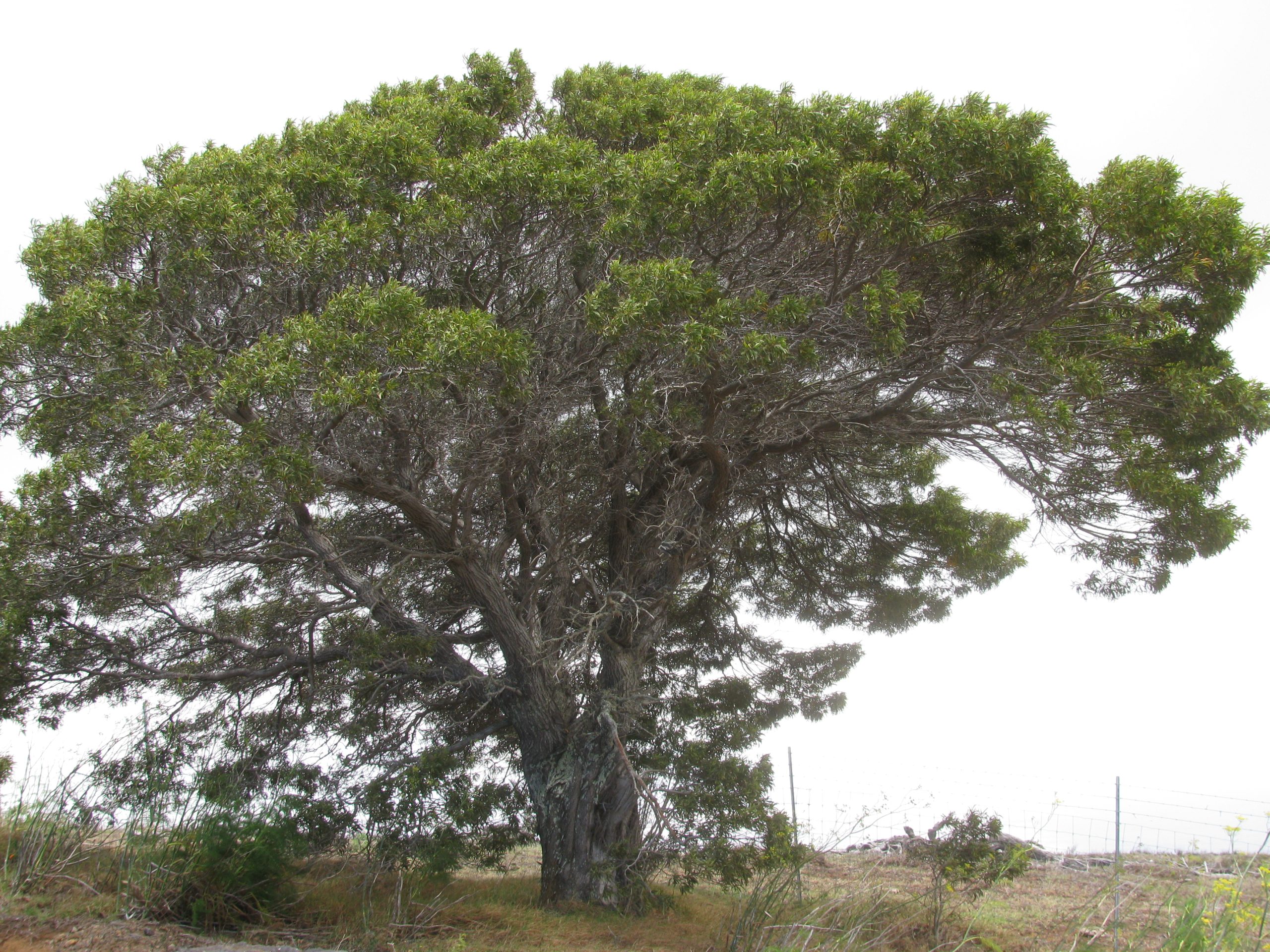
Photo credit: Forest and Kim Starr
Please Consider
Making a Donation

Plants from the MNBG Collection:
-
- ‘A‘ali‘i (Dodonaea viscosa)
- ‘Āhinahina (Achyranthes splendens var. splendens)
- ‘Āhinahina (Artemisia mauiensis)
- ‘Ākala (Rubus hawaiensis)
- ‘Ākia (Wikstroemia uva-ursi var. uva-ursi)
- ‘Akoko (Euphorbia degeneri)
- Alahe'e (Psydrax odorata)
- ‘Ānapanapa (Colubrina asiatica)
- ‘Awa (Piper methysticum)
- Delissea rhytidosperma
- Hāhā (haha) (Cyanea magnicalyx)
- Hala (Pandanus tectorius)
- Hala pepe (Dracaena auwahiensis)
- Hau (Hibiscus tileaceus)
- Hau hele wai (‘Akiohala) (Hibiscus furcellatus)
- Hao (Rauvolfia sandwicensis)
- Hō‘awa (Pittosporum glabrum)
- Hōʻawa (Pittosporum halophilum)
- Hō‘awa (Pittosporum hosmeri)
- ‘Iliahi (Santalum haleakalae)
- ‘Iliahialo‘e (Santalum ellipticum)
- ʻIlima papa (Sida fallax)
- Kalo, (Colocasia esculenta)
- Kamani (Callophyllum inophyllum)
- Ka palupalu o Kanaloa (Kanaloa kahoolawensis)
- Kauila (Colubrina oppositifolia)
- Kauila (O‘a) (Alphitonia ponderosa)
- Keahi (Sideroxylon polynesicum)
- Kī (Cordyline fruticosa)
- Koa (Acacia koa)
- Koai‘a (Acacia koaia)
- Koki‘o, Hau hele ‘ula (Kokia drynarioides)
- Koki‘o ke‘o ke‘o (Hibiscus arnottianus)
- Koki‘o ke‘oke‘o (Hibiscus arnottianus subsp. immaculatus)
- Koki‘o ke‘oke‘o (Hibiscus waimeae subsp. hannerae)
- Koki‘o ‘ula (Hibiscus clayi)
- Koki‘o ‘ula‘ula (Hibiscus kokio ssp. kokio)
- Koki‘o ‘ula‘ula (Hibiscus kokio ssp. saintjohnnianus)
- Koki‘o ke‘o ke‘o (Hibiscus waimeae ssp. waimeae)
- Kolomona (Senna gaudichaudii)
- Kou (Cordia subcordata)
- Kukui (Aleurites moluccana)
- Loulu lelo (Pritchardia hillebrandii)
- Loulu (Pritchardia remota)
- Maʻo (Gossypium tomentosum)
- Ma‘o hau hele (Hibiscus brackenridgei)
- Māmaki (Pipturus albidus)
- Mau‘u lā‘ili (Sisyrinchium acre)
- Mehame, Hame (Antidesma platyphyllum var. platyphyllum)
- Milo (Thespesia populnea)
- Naio (Myoporum sandwicense)
- Nānū (Gardenia brighamii)
- Ōhai (Sesbania tomentosa)
- ʻŌhiʻa ʻai (Syzygium malaccense)
- ‘Ōhia lehua (Metrosideros polymorpha)
- Pōhinahina (Vitex rotundifolia)
- Pōkalakala (Polyscias racemosa)
- ‘Uala (Sweet Potato)
- ‘Uki ‘uki (Dianella sandwicensis)
- ʻUlu cv. ‘Maʻafala’(Artocarpus altilis)
- Wauke (Broussonetia papyrifera)
- Wiliwili (Erythrina sandwicensis)
