Haha (Cyanea magnicalyx)
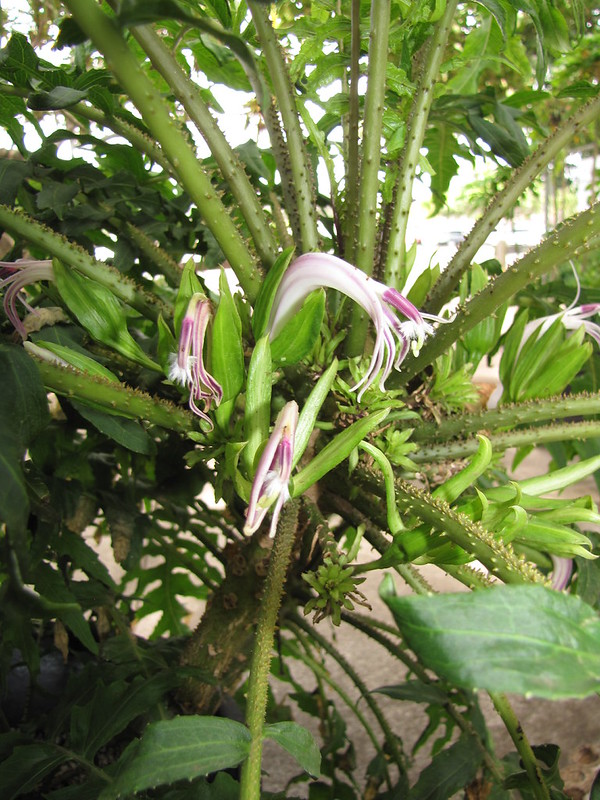
Photo courtesy of Forest & Kim Starr
Hawaiian name: Hāhā (haha)
Botanical name: Cyanea magnicalyx
Family: Campanulaceae (Bellflower family)
Status: Endemic, Endangered
Where found: West Maui
Water/Light: Wet, with partial sunlight
Elevation range: 1,480 feet
Height: 5 to 10 feet
Hawaiian lobeliads are a group of six endemic genera and 126 endemic species that are believed to have evolved in Hawaiʻi from a single ancestor about 13 million years ago. Cyanea is the largest of the six genera, with 81 endemic species, 47 of which are endangered and another 21 considered extinct. As a recent discovery, little is currently known about the biology of Cyanea magnicalyx, often called Hāhā like many Cyanea species. This hāhā is found only in West Maui; in Kaluanui gulch, and Iao Valley State Park. Within its limited range, numerous threats to this species exist including damage from feral pigs and rats, and competition from invasive plant species. These biological factors, in combination with the threat of floods and landslides, mean that the extinction of this species is a very real possibility. In addition to being federally listed as endangered in the United States, Hawaii's Comprehensive Wildlife Conservation Strategy lists Cyanea magnicalyx as a “Species of Greatest Conservation Need”, the Laukahi Network recognizes it as a Species of Conservation Importance, and the International Union for the Conservation of Nature has designated it as Critically Endangered.
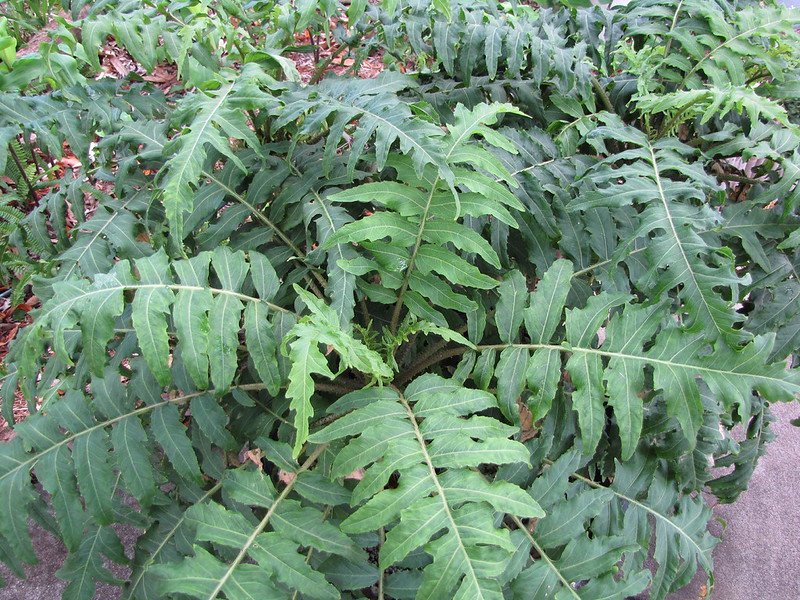
Photo credit: Forest and Kim Starr
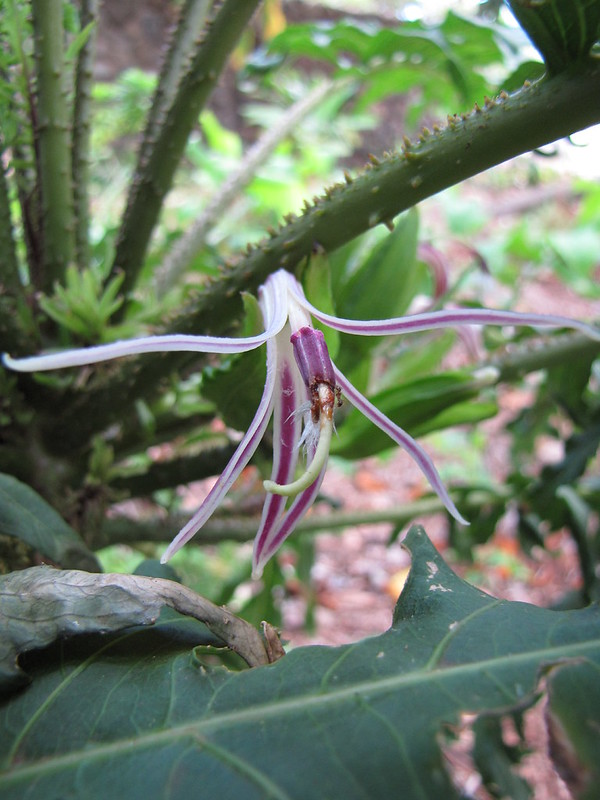
Photo credit: Forest and Kim Starr
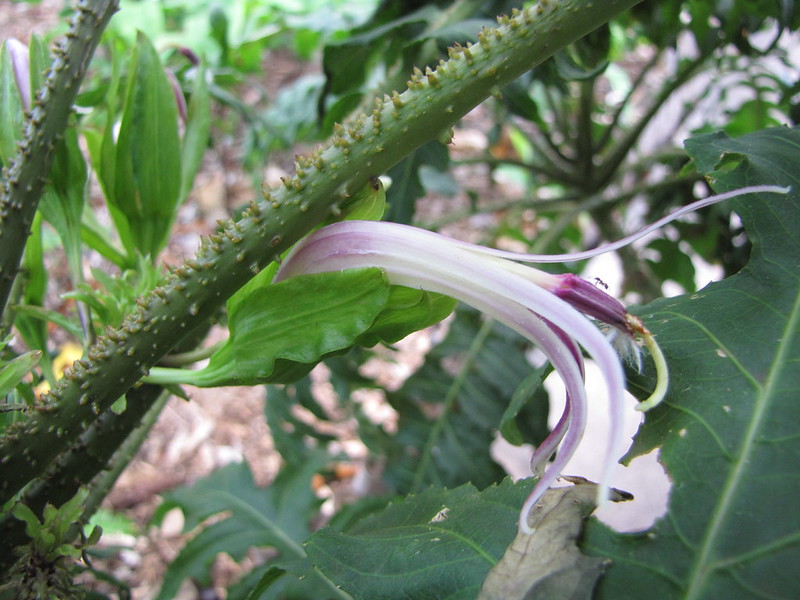
Photo credit: Forest and Kim Starr
Location
The Garden is located at 150 Kanaloa Avenue in Kahului, Maui, right across from the War Memorial Stadium.
(808) 249-2798
Hours of Operation
Tuesday through Saturday,
8:00 a.m. – 4:00 p.m.
Closed occasionally for inclement weather and Hawaii State Holidays.
Admission
Members: Free
General: $10
Keiki Under 12: Free
Kama'aina: Free
(with Hawai'i ID)
Plants from the MNBG Collection:
- ‘A‘ali‘i (Dodonaea viscosa)
- ‘Āhinahina (Achyranthes splendens var. splendens)
- ‘Āhinahina (Artemisia mauiensis)
- ‘Ākala (Rubus hawaiensis)
- ‘Ākia (Wikstroemia uva-ursi var. uva-ursi)
- ‘Akoko (Euphorbia degeneri)
- Alahe'e (Psydrax odorata)
- ‘Ānapanapa (Colubrina asiatica)
- ‘Awa (Piper methysticum)
- Delissea rhytidosperma
- Hāhā (haha) (Cyanea magnicalyx)
- Hala (Pandanus tectorius)
- Hala pepe (Dracaena auwahiensis)
- Hau (Hibiscus tileaceus)
- Hau hele wai (‘Akiohala) (Hibiscus furcellatus)
- Hao (Rauvolfia sandwicensis)
- Hō‘awa (Pittosporum glabrum)
- Hō‘awa (Pittosporum hosmeri)
- ‘Iliahi (Santalum haleakalae)
- ‘Iliahialo‘e (Santalum ellipticum)
- ʻIlima papa (Sida fallax)
- Kalo, (Colocasia esculenta)
- Kamani (Callophyllum inophyllum)
- Kī (Cordyline fruticosa)
- Koa (Acacia koa)
- Koai‘a (Acacia koaia)
- Koki‘a, Hau hele ‘ula (Kokia drynarioides)
- Koki‘o ke‘o ke‘o (Hibiscus arnottianus)
- Koki‘o ke‘oke‘o (Hibiscus arnottianus subsp. immaculatus)
- Koki‘o ‘ula‘ula (Hibiscus kokio ssp. kokio)
- Koki‘o ‘ula‘ula (Hibiscus kokio ssp. saintjohnnianus)
- Koki‘o ke‘o ke‘o (Hibiscus waimeae ssp. waimeae)
- Kou (Cordia subcordata)
- Kukui (Aleurites moluccana)
- Loulu lelo (Pritchardia hillebrandii)
- Loulu (Pritchardia remota)
- Maʻo (Gossypium tomentosum)
- Ma‘o hau hele (Hibiscus brackenridgei)
- Māmaki (Pipturus albidus)
- Mau‘u lā‘ili (Sisyrinchium acre)
- Mehame, Hame (Antidesma platyphyllum var. platyphyllum)
- Milo (Thespesia populnea)
- Naio (Myoporum sandwicense)
- Nānū (Gardenia brighamii)
- Ōhai (Sesbania tomentosa)
- ʻŌhiʻa ʻai (Syzygium malaccense)
- ‘Ōhia lehua (Metrosideros polymorpha)
- Pōhinahina (Vitex rotundifolia)
- Pōkalakala (Polyscias racemosa)
- ‘Uala (Sweet Potato)
- ‘Uki ‘uki (Dianella sandwicensis)
- ʻUlu cv. ‘Maʻafala’(Artocarpus altilis)
- Wauke (Broussonetia papyrifera)
- Wiliwili (Erythrina sandwicensis)
